
How to use Technology to support Active Experiential Learning
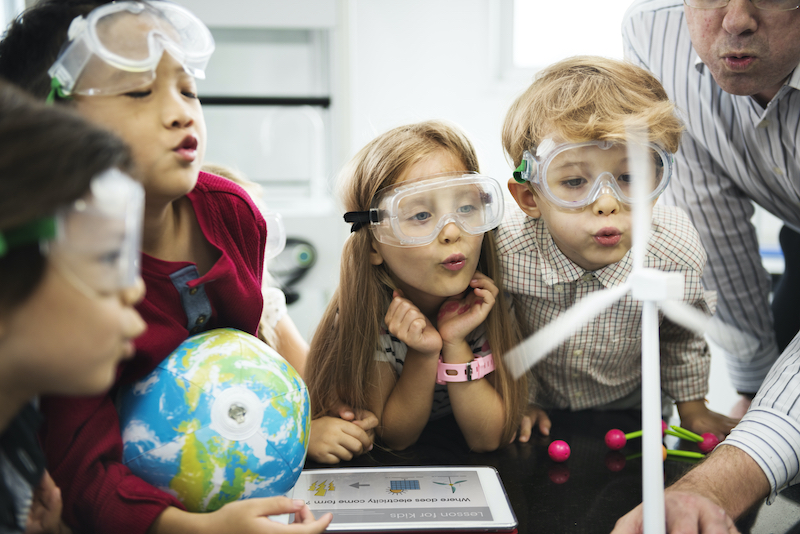
In view of the widespread implementation of AI, online learning and rapidly growing exposure to technology even to the youngest children, early childhood and primary educators all over the world are facing unprecedented challenges. Many feel under pressure to align with the trend and use technology as a tool in their classrooms to keep up with current standards. As a result, many teachers struggle to support children’s holistic growth and their well-being – which are the most important pillars of Early Childhood Education.
Is technology-based learning a suitable solution for the early years sector?
ECE and Early Primary teachers are aware that at this stage of education everything should be hands-on and based on children’s direct interaction with the world – essentially this is how children learn best. Direct experience is also the only way children can develop their gross motor and fine motor skills, their overall bodily coordination, their hand-eye coordination, their sense of safety, and their balance – and all these provide solid foundations for other skillsets to emerge. And this leaves many ECE teachers wondering how such education can be offered using technology, if at all. Another concern is how to reduce the damaging impact of ever present technology and support children they way they really need at this stage of their lives.
The answer is definitely not “all or nothing”. Adding more technology to your classroom when there’s already too much of it everywhere is certainly not a good idea. Eliminating it entirely, won’t help either and may even backfire.
The question is “HOW can technology support what children need most – ACTIVE HOLISTIC LEARNING”?
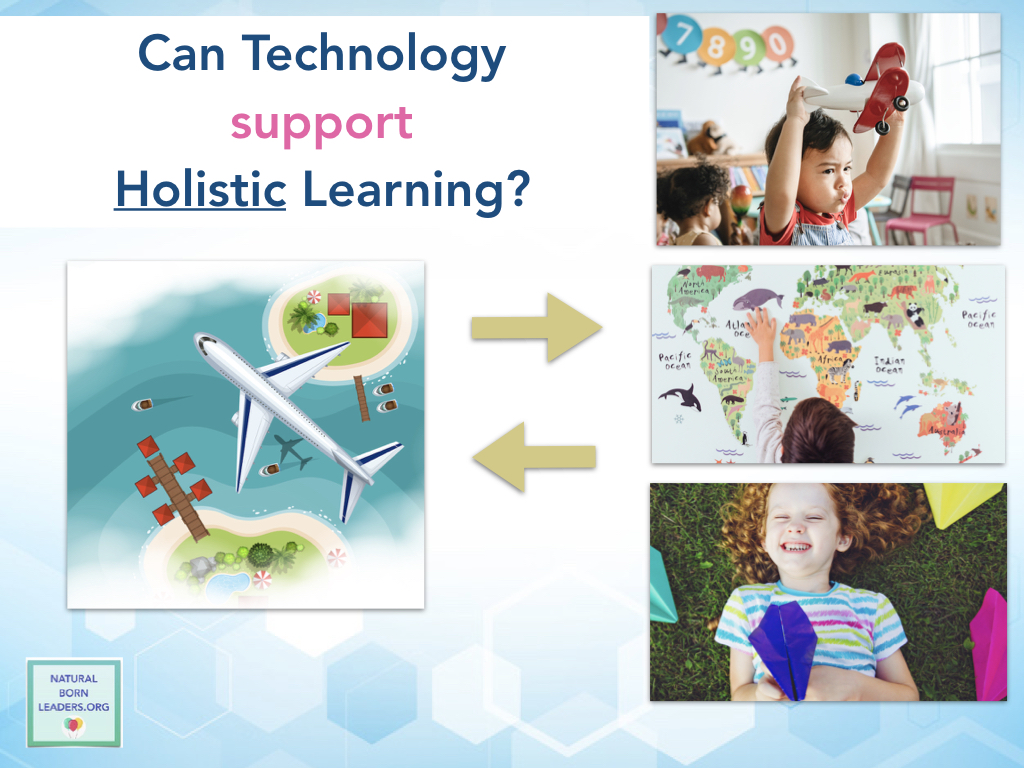
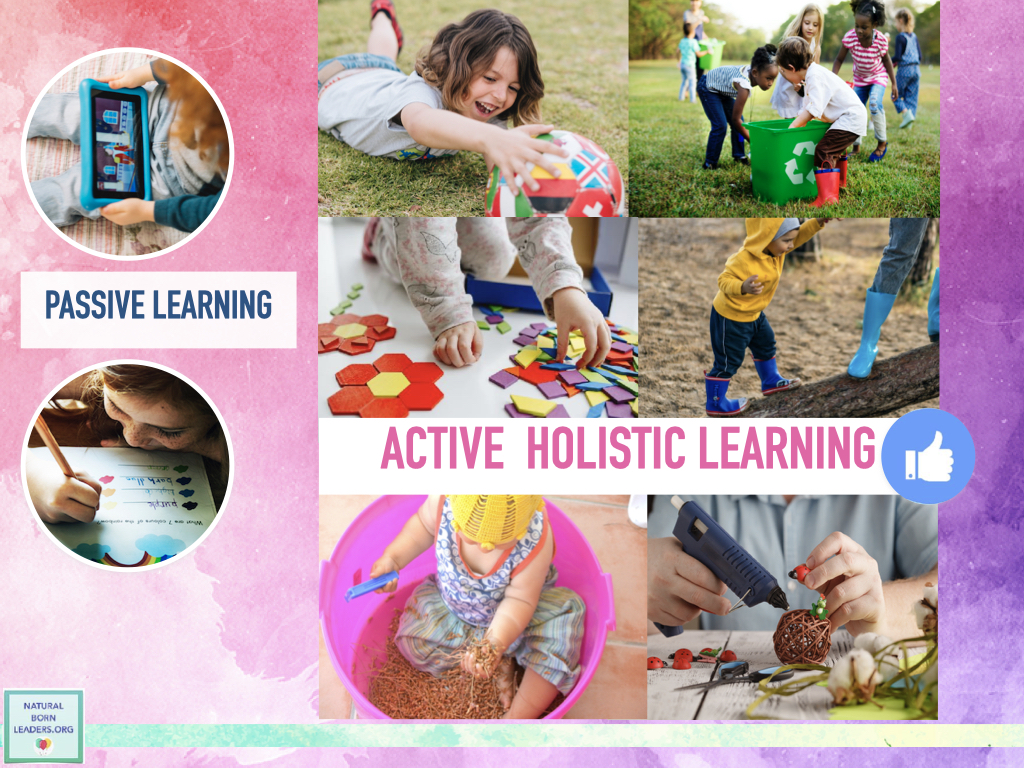
One thing is certain – no amount of online learning or worksheets will ever be enough to satisfy children’s natural curiosity to explore the world hands-on. The implementation of online learning is almost everywhere now, but unfortunately the way it’s delivered is mostly based on passive learning, extended screen time, and fails to support the fundamental developmental needs of early childhood and early primary children.
This, however, doesn’t mean all is lost.
Technology CAN be our ally to meet ECE goals – provided that educators learn how to use technology to offer education the way children naturally learn. In current times such skillset is needed more than ever before.
What should be the role of technology in today’s education?
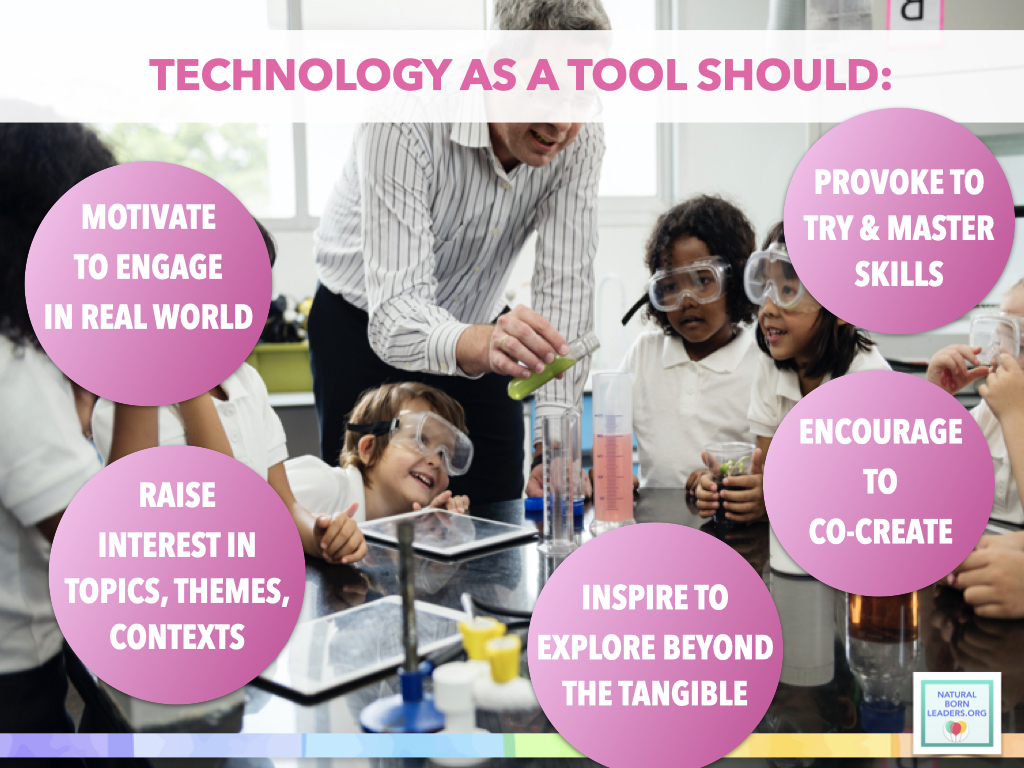
We can use technology to our advantage and as a powerful tool to supporting children’s HOLISTIC LEARNING, but it should never be treated a stand-alone approach. In fact, the real power of technology for education is about teachers being able to maximise opportunities for hands-on experiential learning for their students, especially at ECE and primary levels. In this case it means that the less screen time students get, the better the teacher is utilising technology to EMPOWER their students.
Technology in education can help:
- inspire children to experiment and create in the REAL world
- raise their interest in certain topics or themes
- explore beyond tangible results
- provoke children to master certain skills
- foster their natural talents and gifts
- go beyond the things that can be seen and touched, explore the unseen and untouchable, and bring children’s dream creations to life.
If you use technology this way, you can be sure that your students will be inspired to explore the real world, and that their hands-on exploration will lead to further investigation, very often through the use of technology again.
How to use technology to support Experiential Holistic Learning?
Technology is so much more than Edtech, laptops and phones- it’s also microscopes, scooters, 3D pens and printers, drawing pads, etc. Whatever technology you use, think about how it can inspire your students to explore the REAL world – build, draw, create, read, dance, cook, use their whole body, design, rearrange, role play, do research.
Even a simple mobile app or a short video clip about construction play can inspire your children to build castles, bridges or houses in the real world – keeping them busy for hours and giving them Holistic Experiential Learning they really need in these times.
Children may want to build something that they’ve just seen on a screen, and test it in real life. Or they may wish to find out more information about a bug they’ve just spotted in a garden or a park. Lots of hands-on experiences, deducting, reasoning, child-led discovery, and taking ownership of their own learning. As a matter of fact, no worksheets and very little screen time is needed to achieve all this.
Our role as Educators is to offer cues and guidance, assign exciting project work, raise interest by offering inspiring contexts and resources, ask children to do some research in the real world, and offer feedback once they share the results of their work with you.
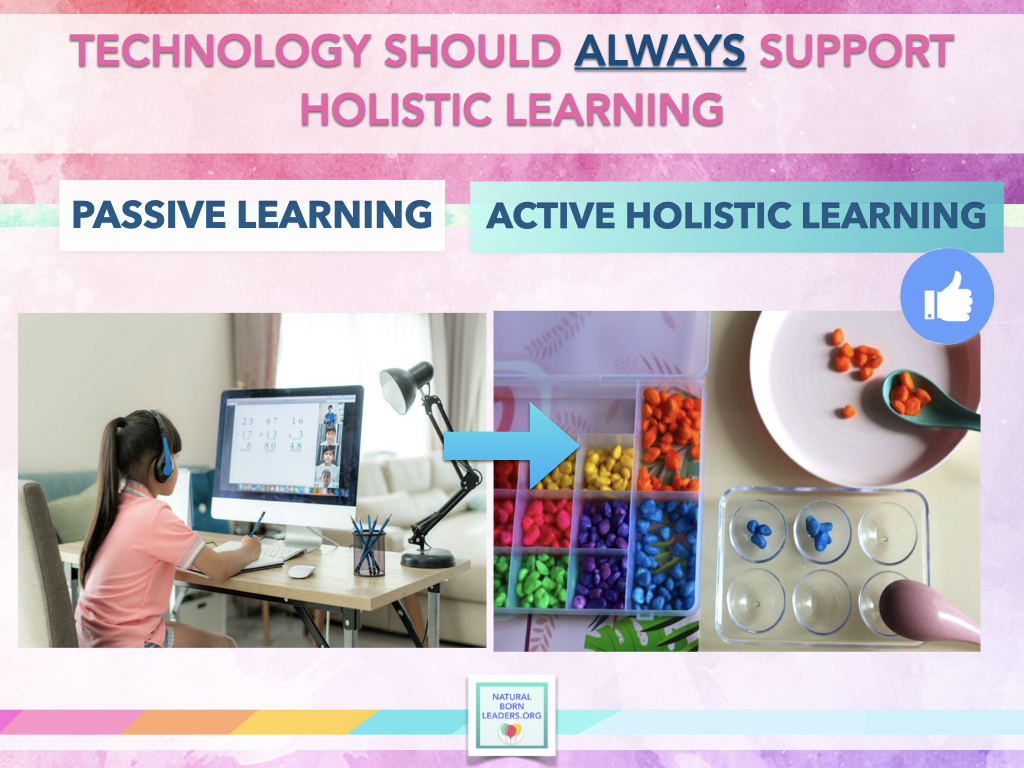
This is how world’s top educators use technology to their advantage. You can easily do this too and incorporate technology into Active Experiential Holistic Learning on a daily basis. The first and the most important thing, however, is developing an understanding of what Experiential Holistic Learning is, and why it’s the key approach for Future-Oriented Education.
How can Educators develop their skillset to be able to offer Experiential Holistic Learning more often?
Our mission is to support committed and motivated teachers who are ready to change the way education is offered. Step into Experiential Learning and offer Future-oriented Education today!
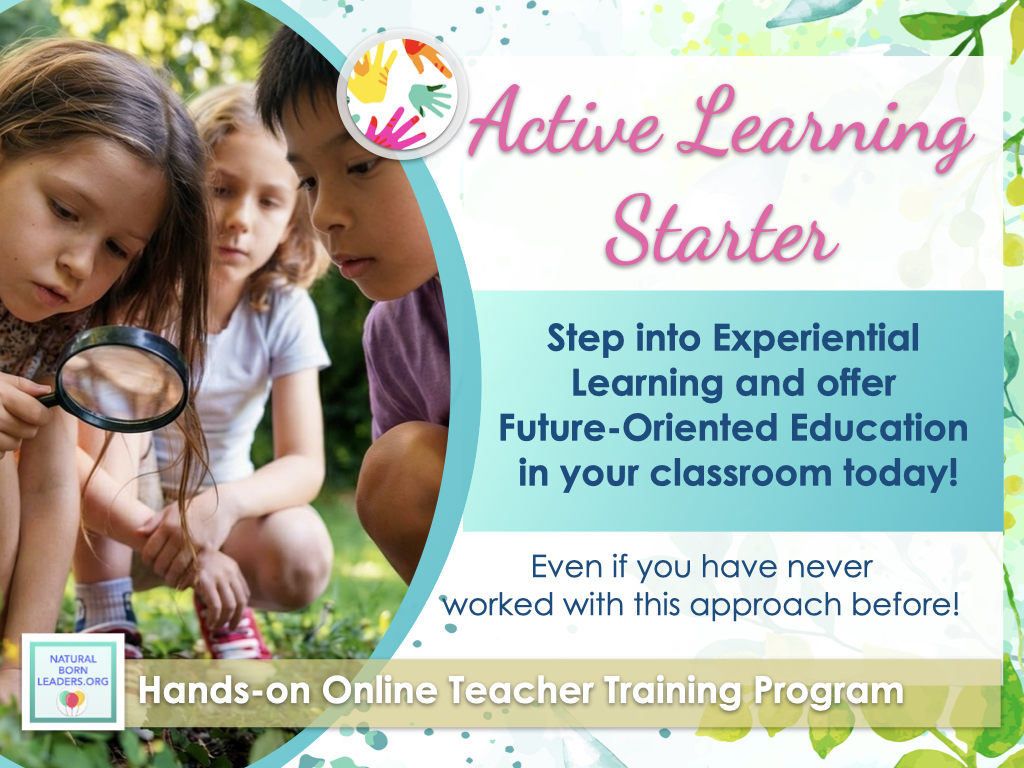
ACTIVE LEARNING STARTER is an INTRODUCTORY LEVEL online training program for early childhood educators and play workers who want to step into Experiential Learning and support students’ Balanced Development – with minimum time commitment or planning and with maximum enjoyment and educational impact for children.
Instant Implementation – no extra workload! The program contains 13 lessons with step-by-step implementation instructions, ready-to-use tools and strategies.
Sign up for ACTIVE LEARNING STARTER – online hands-on Teacher Training Program:

Magdalena Matulewicz and Witold Matulewicz, Founders of Natural Born Leaders, have been applying Active Experiential Holistic Learning for over 20 years – both in early childhood and primary education. They have trained and inspected many nurseries and schools where dedicated teachers successfully use this approach on a daily basis. They both are UK-qualified Assessors in Early Childhood Education and School Playwork. In private life, they’ve been world-schooling their own children for over 18 years.